Understanding the Great Pacific Garbage Patch Problem
- Ilia A
- May 26
- 4 min read
Updated: 1 day ago
The Great Pacific Garbage Patch is not just a distant environmental issue; it is a pressing global crisis that affects marine life, ecosystems, and even human health. This massive accumulation of plastic and debris in the Pacific Ocean serves as a stark reminder of our consumption habits and the urgent need for change. In this blog post, we will explore the origins of the Great Pacific Garbage Patch, its impact on the environment, and what we can do to combat this growing problem.
What is the Great Pacific Garbage Patch?
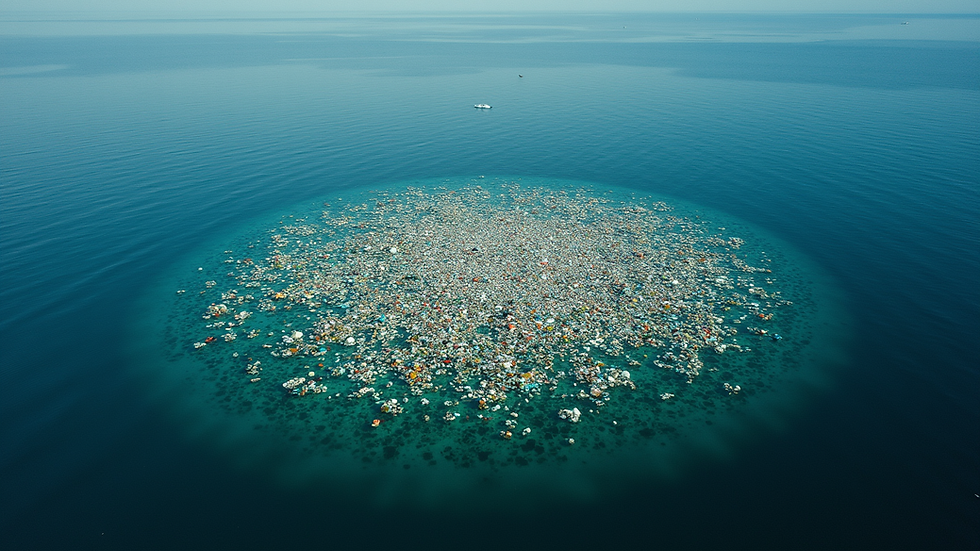
The Great Pacific Garbage Patch is a collection of marine debris located between Hawaii and California. It is not a solid mass of trash but rather a vast area where plastic and other debris are concentrated due to ocean currents. This patch is divided into two main areas: the Western Garbage Patch and the Eastern Garbage Patch, together covering an area larger than the state of Texas.
(National Geographic Education)
Origins of the Garbage Patch
The origins of the Great Pacific Garbage Patch can be traced back to human activities. Here are some key contributors:
Plastic Waste: Approximately 80% of the debris in the patch comes from land-based sources, primarily plastic waste that enters the ocean through rivers and waterways.
Fishing Gear: Abandoned fishing nets and gear, known as "ghost gear," contribute significantly to the debris. These items can entangle marine life and continue to catch fish even after being discarded.
Shipping Activities: Cargo ships and vessels can inadvertently contribute to the problem by losing containers or dumping waste at sea.
(The Ocean Cleanup)
The Environmental Impact
The Great Pacific Garbage Patch poses a serious threat to marine ecosystems. Here are some of the most significant impacts:
Harm to Marine Life
Marine animals often mistake plastic debris for food, leading to ingestion that can cause internal injuries or death. Species such as sea turtles, seabirds, and fish are particularly vulnerable. For instance:
Sea Turtles: Many sea turtles ingest plastic bags, mistaking them for jellyfish. This can lead to malnutrition or intestinal blockage.
Seabirds: Birds like the albatross often feed on plastic, which can accumulate in their stomachs and lead to starvation.
(WWF Australia)
Ecosystem Disruption
The presence of plastic in the ocean disrupts the natural balance of marine ecosystems. Microplastics, tiny plastic particles that result from the breakdown of larger debris, can be ingested by small marine organisms, entering the food chain and affecting larger predators, including humans.
(Smithsonian Ocean)
Human Health Concerns
As microplastics enter the food chain, they can ultimately affect human health. Studies have shown that seafood consumed by humans can contain microplastics, raising concerns about potential health risks.
(UNESCO Ocean Literacy Portal)
Addressing the Problem
While the Great Pacific Garbage Patch may seem overwhelming, there are actionable steps we can take to address the issue. Here are some strategies:
Reduce Plastic Use
One of the most effective ways to combat the problem is to reduce our reliance on single-use plastics. Here are some practical tips:
Use Reusable Bags: Opt for cloth or other reusable bags instead of plastic ones.
Choose Glass or Metal Containers: Replace plastic water bottles and containers with glass or metal alternatives.
Support Plastic Bans: Advocate for local and national policies that aim to reduce plastic production and use.
(Oceanic Society)
Clean-Up Initiatives
Various organizations are working to clean up the Great Pacific Garbage Patch. For example, The Ocean Cleanup project aims to develop advanced technologies to remove plastic from the ocean. Supporting such initiatives through donations or volunteer work can make a significant difference.
(The Ocean Cleanup)
Education and Awareness
Raising awareness about the Great Pacific Garbage Patch is crucial. Here are some ways to spread the word:
Social Media Campaigns: Use social media platforms to share information about the issue and encourage others to take action.
Community Workshops: Organize or participate in workshops that educate others about the impact of plastic pollution and how to reduce it.
(Earth Day)
The Role of Technology
Technology plays a vital role in addressing the Great Pacific Garbage Patch. Innovative solutions are being developed to tackle the problem effectively. Here are some examples:
(The Ocean Cleanup)
Advanced Cleanup Technologies
The Ocean Cleanup project has designed systems that use natural ocean currents to collect plastic debris. These systems are equipped with barriers that funnel plastic into a central collection area, making it easier to remove.
(The Ocean Cleanup)
Research and Monitoring
Technological advancements also aid in monitoring the extent of the garbage patch. Satellite imagery and drones are being used to track plastic accumulation and assess its impact on marine life.
(NOAA Marine Debris Program)
The Future of Our Oceans
The Great Pacific Garbage Patch serves as a wake-up call for humanity. If we do not take immediate action, the problem will only worsen. Here are some potential future scenarios:
Increased Plastic Pollution
Without significant changes in our consumption habits, the amount of plastic in the ocean is expected to increase dramatically. Projections suggest that by 2025, there could be more plastic in the ocean than fish by weight.
(Our World in Data)
Legislative Changes
On a positive note, growing awareness may lead to stronger regulations on plastic production and waste management. Countries around the world are beginning to implement bans on single-use plastics, which could significantly reduce the amount of waste entering our oceans.
(UN Environment Programme)
Community Engagement
As more people become aware of the issue, community engagement will likely increase. Grassroots movements and local initiatives can drive change at the community level, leading to broader societal shifts.
(Greenpeace International)
Conclusion
The Great Pacific Garbage Patch is a complex problem that requires a multifaceted approach. By reducing plastic use, supporting cleanup initiatives, and raising awareness, we can all contribute to solving this environmental crisis. The future of our oceans depends on our actions today. Let’s work together to protect marine life and ensure a healthier planet for generations to come.
By taking small steps in our daily lives, we can collectively make a significant impact. Start today by making conscious choices about plastic use and encouraging others to do the same. Together, we can turn the tide on plastic pollution and safeguard our oceans.
(The Pew Charitable Trusts)


Comments