Taking Action: How Students Can Combat Ocean Pollution
- Ilia A
- May 26
- 4 min read
Updated: 23 hours ago
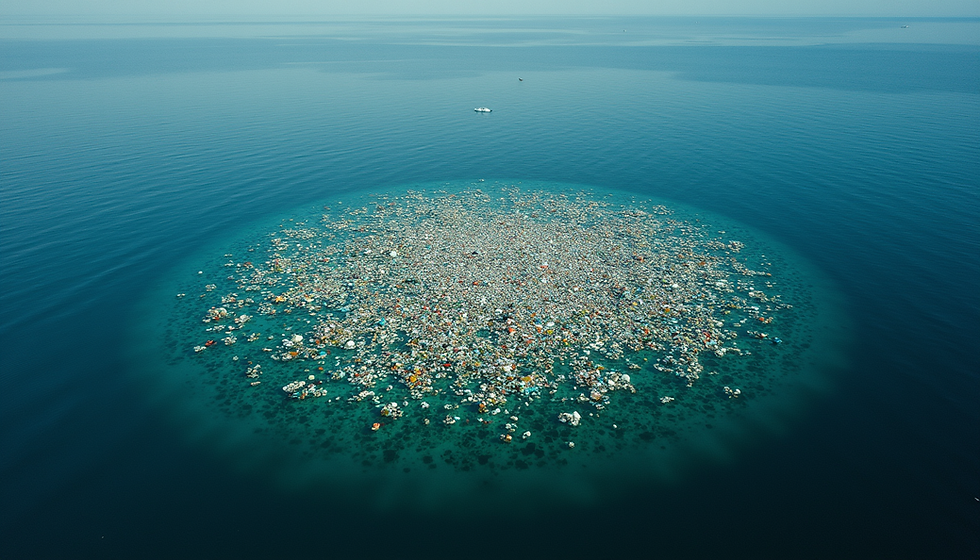
Ocean pollution is one of the most pressing environmental issues of our time. With millions of tons of plastic waste entering our oceans each year, the health of marine ecosystems and the well-being of coastal communities are at risk. As students, you have the power to make a significant impact in the fight against ocean pollution. This blog post will explore practical steps you can take to combat this issue, raise awareness, and inspire others to join the cause.

Understanding Ocean Pollution
Before diving into actions you can take, it’s essential to understand what ocean pollution is and its various forms. Ocean pollution primarily comes from two sources: land-based and ocean-based activities.
(UNESCO Ocean Literacy Portal)
Land-Based Pollution
Land-based pollution accounts for approximately 80% of the waste found in oceans. This includes:
Plastic Waste: Single-use plastics like bags, bottles, and straws are major contributors.
Chemical Runoff: Fertilizers and pesticides from agricultural lands wash into rivers and eventually reach the ocean.
Sewage and Wastewater: Untreated sewage can introduce harmful pathogens and chemicals into marine environments.
(UN Environment Programme)
Ocean-Based Pollution
Ocean-based pollution originates from activities directly in the ocean, such as:
Shipping and Fishing: Oil spills, discarded fishing gear, and waste from ships contribute significantly to ocean pollution.
Marine Debris: Items lost or discarded at sea can harm marine life and ecosystems
.
(NOAA Marine Debris Program)
Understanding these sources is crucial for identifying effective solutions. (my writing)
The Impact of Ocean Pollution
Ocean pollution has devastating effects on marine life, ecosystems, and human health. Here are some key impacts:
Threat to Marine Life: Animals ingest plastic or become entangled in debris, leading to injury or death.
Ecosystem Disruption: Pollutants can disrupt food chains and damage coral reefs, which are vital for marine biodiversity.
Human Health Risks: Contaminated seafood can pose health risks to humans, including exposure to toxins and pathogens.
(Smithsonian Ocean)
How Students Can Make a Difference
As students, you have unique opportunities to combat ocean pollution. Here are some actionable steps you can take:
1. Organize Clean-Up Events
One of the most direct ways to combat ocean pollution is through community clean-up events. Organizing a beach or river clean-up can:
Raise Awareness: Engage your peers and community members in discussions about ocean pollution.
Make a Visible Impact: Collecting trash can lead to immediate improvements in local environments.
To organize a successful clean-up:
Choose a Location: Select a local beach, riverbank, or park.
Gather Supplies: Provide gloves, trash bags, and refreshments for volunteers.
Promote the Event: Use flyers, social media, and word of mouth to attract participants.
(Ocean Conservancy)
2. Advocate for Policy Change
Advocacy is a powerful tool for creating systemic change. Here’s how you can get involved:
Research Local Policies: Understand your community’s regulations regarding waste management and pollution.
Engage with Local Leaders: Attend town hall meetings or write letters to local representatives advocating for stronger environmental protections.
Join or Form Advocacy Groups: Collaborate with organizations focused on environmental issues to amplify your voice.
(The Pew Charitable Trusts)
3. Educate Your Peers
Education is key to fostering a culture of environmental responsibility. Here are some ways to educate others:
Host Workshops: Organize workshops at your school or community center to discuss ocean pollution and its effects.
Create Informative Materials: Design posters, brochures, or digital content that highlight the importance of reducing plastic use and protecting marine environments.
Utilize Social Media: Share facts, tips, and personal stories on platforms like Instagram or TikTok to reach a broader audience.
(Oceanic Society)
4. Reduce Personal Plastic Use
Your individual choices can contribute to a larger movement. Here are some practical tips to reduce plastic consumption:
Use Reusable Bags: Opt for cloth bags instead of single-use plastic bags when shopping.
Choose Reusable Water Bottles: Invest in a durable water bottle to reduce reliance on plastic bottles.
Support Plastic-Free Initiatives: Patronize businesses that prioritize sustainable practices and offer plastic-free options.
(Earth Day)
5. Participate in Research and Citizen Science
Engaging in research can deepen your understanding of ocean pollution and contribute to valuable data collection. Consider:
Joining Citizen Science Projects: Participate in initiatives that monitor pollution levels or track marine wildlife.
Conducting Your Own Research: Collaborate with teachers or local scientists to study the impact of pollution in your area.
(Smithsonian Ocean)
Collaborating with Organizations
Many organizations focus on combating ocean pollution. Partnering with them can enhance your efforts. Here are a few notable organizations:
Ocean Conservancy: This organization works to protect the ocean from today’s greatest challenges, including pollution.
Surfrider Foundation: Focused on protecting oceans and beaches, they offer resources for local activism.
Plastic Pollution Coalition: This global alliance aims to reduce plastic pollution through education and advocacy.
(Greenpeace International)
The Role of Technology in Combating Ocean Pollution
Technology plays a crucial role in addressing ocean pollution. Here are some innovative solutions:
Drones and Satellites: These tools can monitor pollution levels and track debris in oceans.
Biodegradable Materials: Research into alternatives to plastic, such as biodegradable materials, can help reduce waste.
Apps for Reporting Pollution: Several apps allow users to report pollution incidents, helping authorities respond more effectively.
(The Ocean Cleanup)
Conclusion
Ocean pollution is a significant challenge, but as students, you have the power to make a difference. By organizing clean-up events, advocating for policy change, educating your peers, reducing personal plastic use, and collaborating with organizations, you can contribute to a healthier ocean. Remember, every small action counts. Together, we can combat ocean pollution and protect our planet for future generations.
Take the first step today—whether it’s joining a clean-up, reducing your plastic use, or spreading awareness. The ocean needs your voice, and your actions can inspire others to join the fight.
(UN Environment Programme)


Comments