Can We Ever Fully Clean Up the Great Pacific Garbage Patch
- Ilia A
- 1 day ago
- 3 min read
The Great Pacific Garbage Patch is one of the most talked-about environmental problems today. It is a huge area in the Pacific Ocean filled with plastic waste. Many people wonder if it is possible to completely clean it up. The truth is, this problem is very complicated. There are already trillions of pieces of plastic in the ocean, and much of it has broken down into tiny bits called microplastics. These tiny pieces are almost impossible to collect. Plus, new plastic keeps entering the ocean every day from countries all over the world. This means the problem never really stops.

Why the Great Pacific Garbage Patch Is So Hard to Clean
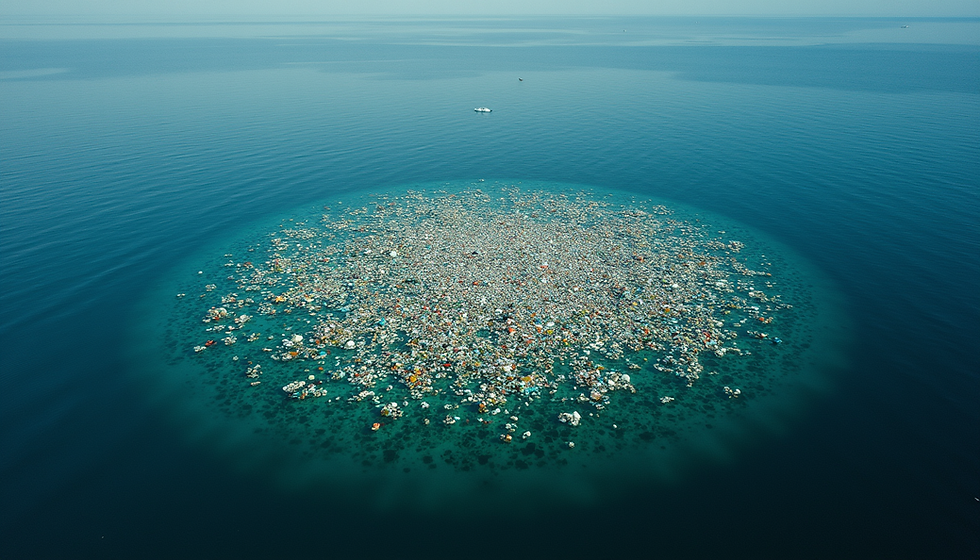
The garbage patch is not just one big island of trash. Instead, it is made up of millions of small pieces of plastic spread over a large area. Ocean currents push and pull these plastics around, making it hard to gather them all in one place. The plastic pieces range from big bottles and bags to tiny microplastics that are smaller than a grain of sand.
(The Ocean Cleanup, 2025)
Microplastics are especially difficult to remove because they mix with plankton and other tiny sea creatures. Cleanup machines cannot easily separate these tiny plastics from the ocean water without harming marine life. This means even the best cleanup efforts can only remove some of the plastic, not all of it.
(National Geographic, 2024)
New Plastic Keeps Coming In
Even if we cleaned up all the plastic in the Great Pacific Garbage Patch today, the problem would not be solved for long. Every day, people around the world throw away plastic that ends up in rivers and oceans. This includes plastic bags, bottles, fishing nets, and many other items.
(UNEP, 2025)
Countries with large coastlines and heavy plastic use contribute the most to this pollution. Without changes in how people use and dispose of plastic, the garbage patch will keep growing. This shows that cleaning up the patch is only part of the solution.
(NOAA Marine Debris Program, 2013b)
How Cleanup Technologies Help but Have Limits
Several groups and companies have created technologies to clean up ocean plastic. Some use floating barriers to catch larger pieces of trash. Others use boats with nets to collect plastic from the water’s surface. These efforts have removed thousands of tons of plastic, which is a good start.
Still, these technologies cannot catch every piece of plastic. Microplastics slip through nets, and some plastic sinks below the surface where machines cannot reach. The ocean’s currents also spread plastic over wide areas, making it hard to track and collect everything.
(The Ocean Cleanup, 2025)
Changing Human Behavior Is Key
The most important step to reduce the Great Pacific Garbage Patch is to change how people use plastic. Recycling plastic helps keep it out of the ocean. Education teaches people why plastic pollution is harmful and how to reduce waste. Stronger laws can limit single-use plastics and encourage companies to use safer materials.
(Hutchinson, 2023)
International cooperation is also necessary because the ocean connects many countries. When countries work together, they can share ideas and resources to fight plastic pollution more effectively.
(UNEP, 2025)
What We Can Do to Help
Everyone can play a role in reducing plastic pollution:
Use reusable bags, bottles, and containers instead of single-use plastic.
Recycle plastic properly and support recycling programs.
Join or support local beach cleanups and ocean protection groups.
Learn about plastic pollution and share what you know with others.
Support laws and policies that reduce plastic waste.
(Earth Day, 2024)
The Goal Is to Reduce, Not Completely Solve
The Great Pacific Garbage Patch may never be completely cleaned up. The plastic is too widespread, and new pollution keeps coming. But this does not mean we should give up. The goal is to reduce plastic pollution as much as possible and stop more plastic from entering the ocean.
(Ritchie, Roser and Samborska, 2023)


Comments