Transforming Our Oceans: Solutions to Plastic Pollution
- Ilia A
- May 26
- 4 min read
Plastic pollution is one of the most pressing environmental issues of our time. With millions of tons of plastic entering our oceans each year, the impact on marine life and ecosystems is devastating. From sea turtles mistaking plastic bags for jellyfish to microplastics infiltrating the food chain, the consequences are far-reaching and alarming. However, there is hope. By implementing innovative solutions and fostering a collective commitment to change, we can transform our oceans and protect marine life for future generations.

Understanding the Scale of the Problem
The Plastic Crisis
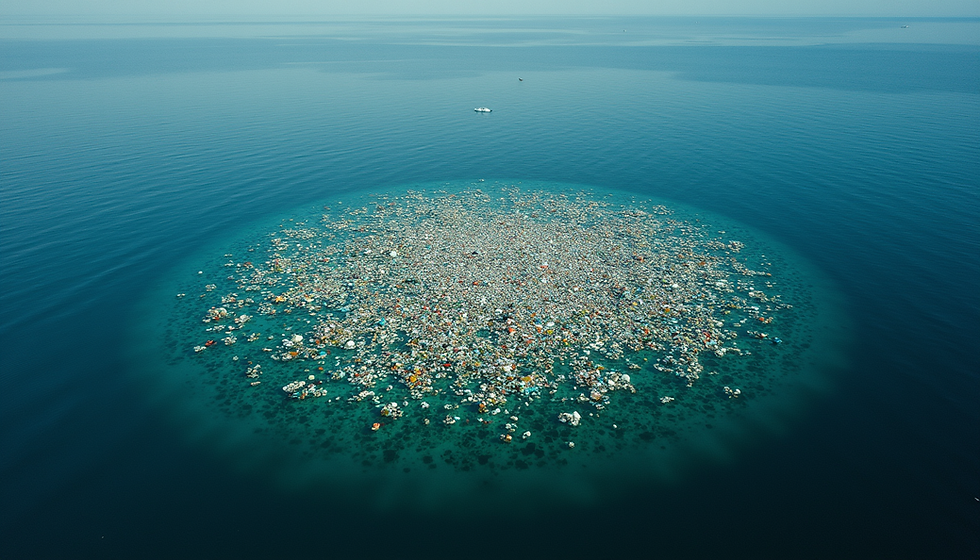
Every year, an estimated 8 million tons of plastic waste end up in the oceans. This staggering figure is equivalent to dumping a garbage truck full of plastic into the sea every minute. The Great Pacific Garbage Patch, a massive area of floating debris, is just one visible manifestation of this crisis. It is estimated to be twice the size of Texas, filled with millions of pieces of plastic that harm marine life and disrupt ecosystems.
(Our World in Data)
Impact on Marine Life
The effects of plastic pollution on marine life are catastrophic. Sea creatures often ingest plastic debris, mistaking it for food. This can lead to malnutrition, internal injuries, and even death. Additionally, larger animals, such as whales and dolphins, can become entangled in discarded fishing gear, leading to injury or drowning. The impact extends beyond individual species; entire ecosystems are disrupted as the balance of life is thrown off.
(WWF)
Innovative Solutions to Combat Plastic Pollution
1. Reducing Plastic Production
One of the most effective ways to combat plastic pollution is to reduce the production of plastic itself. This can be achieved through:
Legislation: Governments can implement bans on single-use plastics, such as straws, bags, and utensils. Countries like France and Canada have already taken significant steps in this direction.
Corporate Responsibility: Companies can commit to reducing plastic packaging and investing in sustainable alternatives. Brands like Coca-Cola and Unilever are exploring biodegradable options and recycling initiatives.
(UN Environment Programme)
2. Enhancing Recycling Efforts
Improving recycling systems is crucial in managing plastic waste. Here are some strategies:
Education and Awareness: Educating the public about proper recycling practices can significantly increase recycling rates. Campaigns that inform citizens about what can and cannot be recycled are essential.
Advanced Recycling Technologies: Innovations such as chemical recycling can break down plastics into their original monomers, allowing for the creation of new plastic products without the need for virgin materials.
(Oceanic Society)
3. Cleanup Initiatives
Numerous organizations and volunteers are dedicated to cleaning up our oceans and beaches. Some notable efforts include:
The Ocean Cleanup Project: This initiative aims to remove plastic from the Great Pacific Garbage Patch using a system of floating barriers and collection vessels. Their goal is to remove 90% of the floating plastic by 2040.
Beach Cleanups: Local communities can organize beach cleanups to remove plastic waste from shorelines. These events not only clean the environment but also raise awareness about the issue.
(The Ocean Cleanup)
4. Promoting Alternative Materials
Developing and promoting alternative materials can significantly reduce our reliance on plastics. Some promising options include:
Biodegradable Plastics: Made from natural materials, these plastics break down more easily in the environment. Companies like BioBag are leading the way in producing compostable bags.
Reusable Products: Encouraging the use of reusable bags, bottles, and containers can drastically cut down on single-use plastics. Initiatives like the "Bring Your Own" movement promote this lifestyle change.
(Earth Day)
The Role of Technology in Addressing Plastic Pollution
1. Innovative Cleanup Technologies
Technology plays a vital role in addressing plastic pollution. Some innovative solutions include:
Drones and AI: Drones equipped with AI can identify and map plastic waste in oceans, helping cleanup crews target their efforts more effectively.
Robotic Collectors: Autonomous robots can be deployed to collect plastic waste from beaches and waterways, making cleanup efforts more efficient.
(The Ocean Cleanup)
2. Tracking and Monitoring
Advancements in technology allow for better tracking and monitoring of plastic pollution. For example:
Satellite Imaging: Satellites can monitor plastic debris in oceans, providing valuable data for researchers and policymakers.
Mobile Apps: Apps like "Litterati" encourage users to document and report litter in their communities, creating a database that can inform cleanup efforts.
(NOAA Marine Debris Program)
Engaging Communities and Raising Awareness
1. Education Programs
Education is key to fostering a culture of environmental stewardship. Schools and community organizations can implement programs that teach the importance of reducing plastic waste and protecting marine ecosystems.
(UNESCO Ocean Literacy Portal)
2. Social Media Campaigns
Social media can be a powerful tool for raising awareness about plastic pollution. Campaigns that encourage individuals to share their efforts in reducing plastic use can inspire others to take action. Hashtags like #BeatPlasticPollution can help spread the message.
(Earth Day)
3. Collaborations and Partnerships
Collaborations between governments, NGOs, and businesses can amplify efforts to combat plastic pollution. By working together, these entities can share resources, knowledge, and strategies to create a more significant impact.
(The Pew Charitable Trusts)
The Importance of Individual Action
While systemic changes are crucial, individual actions also play a vital role in addressing plastic pollution. Here are some steps individuals can take:
Reduce: Cut down on single-use plastics by opting for reusable alternatives.
Refuse: Say no to plastic straws, bags, and utensils when possible.
Recycle: Ensure proper recycling of plastic products to minimize waste.
Educate: Share knowledge about plastic pollution with friends and family to raise awareness.
(Oceanic Society)
Conclusion
The fight against plastic pollution is a collective effort that requires action from individuals, communities, businesses, and governments. By implementing innovative solutions, enhancing recycling efforts, and promoting alternative materials, we can transform our oceans and protect marine life. The time to act is now. Together, we can create a cleaner, healthier future for our oceans and the planet.
As we move forward, let us remember that every small action counts. Whether it’s participating in a beach cleanup or choosing to use a reusable bag, we all have a role to play in combating plastic pollution. Let’s take the first step towards a cleaner ocean today.
(UN Environment Programme)


Comments